


Power-driven fastening has become more precise as construction and industrial work continue to demand better control rather than excess force. Mini powered pins are now widely used because they allow installers to apply power loads in a more measured and predictable way. Instead of relying solely on high impact, these pins are designed to transfer energy efficiently into concrete, steel, and masonry surfaces.
A reliableMini Powered Pins Manufacturer understands that modern fastening depends on balance. The correct pin must work smoothly with the tool, enter the base material cleanly, and reduce unnecessary stress on both equipment and surfaces. This shift in design thinking is reshaping how power loads are managed on job sites.
From Heavy Impact to Controlled Energy Transfer
Previous fastening systems required high force to achieve penetration. Although useful, this method sometimes led to cracking, bending, or unbalanced results. This has been altered by mini-powered pins, which are designed for controlled energy transfer.
This approach supports:
Greater uniform depth of penetration
Less Vibration in installation
Improved coordination of firing
Lower risk of surface damage
Manufacturers focus on energy flow within the pin to enable installers to achieve consistent results with less tool output.
Manufacturing Methods That Support Power Load Stability
The production accuracy is also a direct factor in the performance of mini powered pins. A contemporary Mini Powered Pins Producer is interested in consistency across each production phase and does not rely on corrective measures afterwards.
The key manufacturing practices consist of:
1 Steel selection
Materials used to exhibit constant strength behaviour.
2 Forming precision
Straight and uniform length.
3 Thermal processing
Even harder to eliminate failure.
4 Surface preparation
Finished surfaces to facilitate clean driving.
These techniques help ensure that pins behave predictably when fired repeatedly.
Importance of Dedicated Pin Manufacturing Facilities
A dedicated Power Pin Nails Factory has been established to handle the tight tolerances of power fastener components. These factories are unlike typical fastener facilities, which focus on output repeatability and controlled production flow.
Such facilities provide:
Constant batch-to-batch consistency.
Greater correspondence with tool needs.
Less motley in the firing behaviour.
The larger supply needs are easier to scale.
This specialisation helps ensure stable power load behaviour across various projects and settings.
Balancing Strength with Safety and Tool Protection
Overhardness may cause a pin fracture, and understrength may cause a bend or weak penetration. A conscientious Powered Pins Manufacturer will prioritise striking a proper balance between durability and flexibility.
The design of a balanced pin assists in attaining:
Tie without rubbing too hard.
Reduced wear on the tool
Reduced the possibility of installation faults.
Less dangerous to the operators.
The balance is particularly critical in interior construction, light steel framing and mechanical installations where precision is paramount.
Tool Compatibility and Installation Efficiency
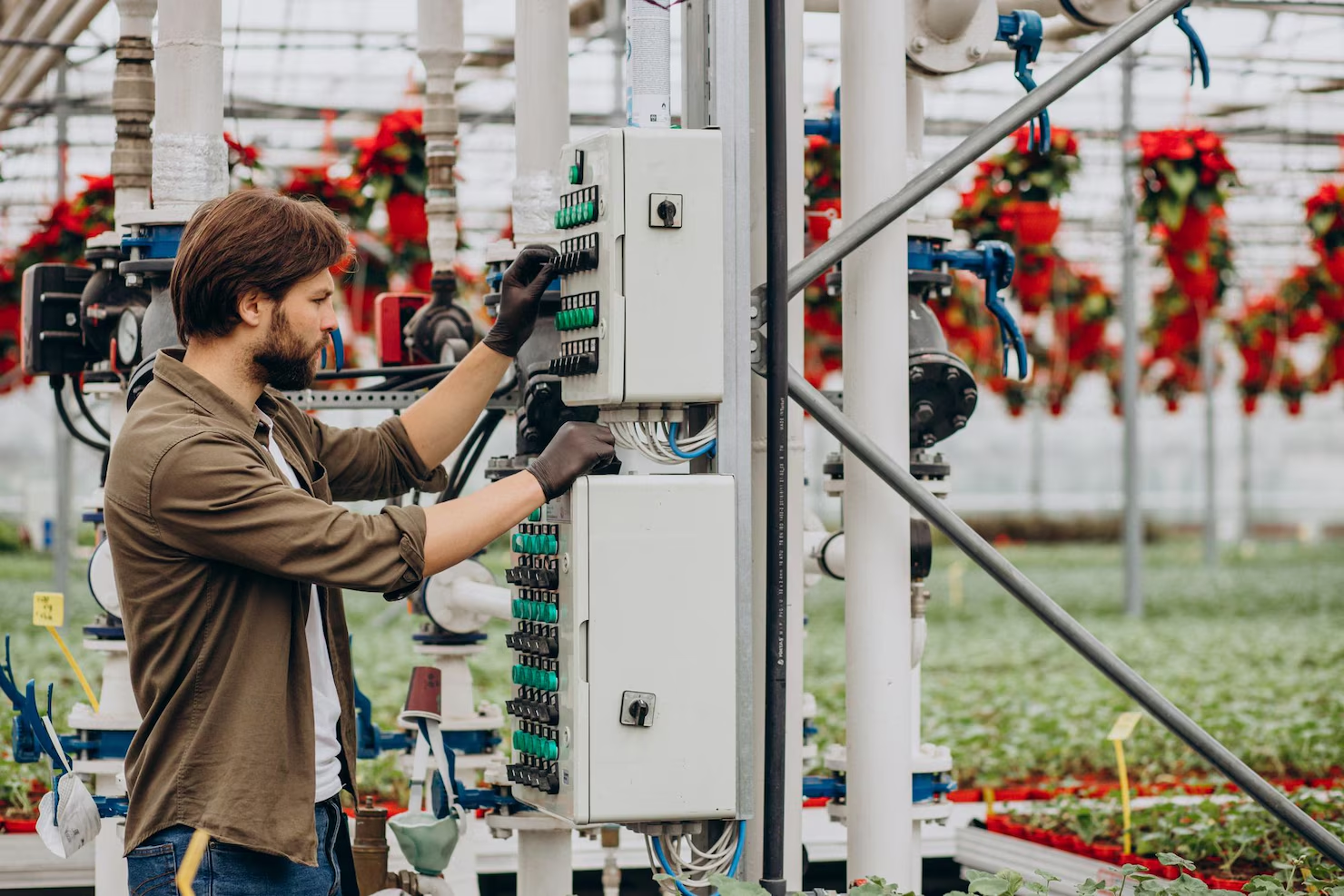
As fastening tools continue to evolve, manufacturers must ensure mini powered pins work smoothly across different systems. Modern pin design takes into account how pins interact with commonly used equipment.
Manufacturers are concerned with compatibility with:
Gas-powered fastening tools
Powder-actuated systems
Compact handheld drivers
In cases where pins are properly geometrically and balanced, the instruments require fewer stops. Installers take a short time to vary power settings, and more time is spent on accomplishing work. This enhances the efficiency of the workflow and minimises the wear of the tools in the long term.
Practical Benefits for Contractors and Installers
Better pin design and production techniques have a direct impact on performance on the job site. The contractors have their way of working, causing less trouble and encountering fewer setbacks when installing.
Some of the common job-site benefits are:
Faster fastening cycles
Reduced the number of misfires or adjustments.
Lower material waste
More predictable results
These are enhancements that facilitate a gradual development without augmenting risk or complexity.
Supporting a Wide Range of Applications
The mini powered pins are currently being used in residential projects, commercial projects and light industrial projects. Control of power load behaviour by manufacturers can enable support for various applications without requiring any tool or procedure modifications.
This is flexible and enables the suppliers to satisfy diverse market requirements without compromising performance.
Conclusion
Mini powered pins are altering the way power loads are implemented in the fastening work. Manufacturers are facilitating safer and more standardised installations through the use of improved manufacturing practices, enhanced control of materials and compatibility with tools. This practice will assist contemporary construction requirements without making use of excessive force.
Zhejiang Milestone Precision Technology Co., Ltd is involved in the manufacture of mini powered pins, which are used in the controlled performance of power loads and in high-quality fastening outcomes.

 客服
客服